Last updated on April 21st, 2026 at 09:09 am
Mogging Meaning has become a trending term online, and understanding the real idea behind it can help you follow modern slang with ease. In this guide, we break down the Mogging Meaning in a simple, friendly way so you instantly get what people mean when they use it. This intro gives you a clear start so you can explore how mogging works in today’s culture.
When people search for Mogging Meaning, they want a definition that feels natural and easy to digest. Here, you’ll learn how the term is used, why it’s popular, and what makes it stand out in conversations. By the end, the Mogging Meaning will feel straightforward, relatable, and perfectly clear.
Definition & Meaning
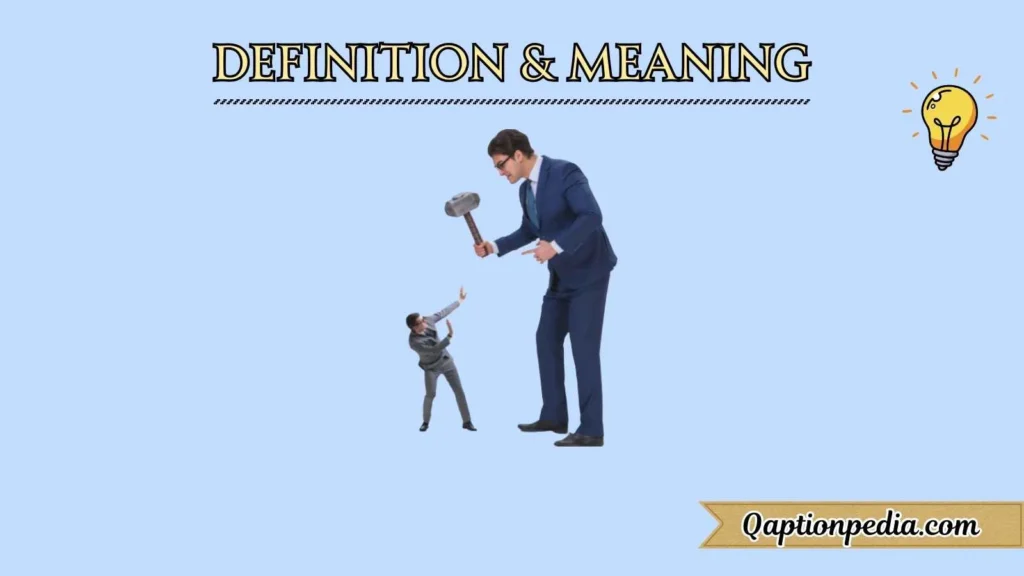
Mogging generally refers to outshining, overshadowing, or outperforming someone, especially in terms of appearance, confidence, style, or physical presence.
In simple words, “to mog someone” means to make them look less impressive by comparison.
It is commonly associated with:
- Physical attractiveness
- Fitness and physique
- Social dominance
- Personal style
- Charisma or energy
While often used humorously, the term can sometimes carry a negative or competitive tone depending on its context.
Background & History
The word “mogging” is believed to originate from online fitness forums and bodybuilding communities. It evolved from slang used by members comparing physiques, where someone with a highly impressive build was said to “mog” others at the gym.
Over time, the term spread into:
- Meme culture
- TikTok slang
- Online debates about appearance
- Self-improvement communities
Its popularity increased as content creators began using it humorously to describe someone who instantly outshines another person in looks or status. Today, the term is mainstream and often appears in comment sections, reactions, and even playful conversations among friends.
Mogging meaning gen z
Mogging meaning Gen Z refers to the act of outshining or dominating someone, usually in terms of looks, confidence, style, or social presence.
In Gen Z slang, mogging often happens when one person naturally grabs more attention without trying.
It is commonly used on social media, memes, and TikTok, especially in appearance or glow-up contexts.
The term can be playful or competitive, depending on how it is used.
Usage in Various Contexts
“Mogging” can be used in several ways depending on the situation:
1. Appearance & Looks
Someone exceptionally good-looking may be said to “mog” everyone around them.
2. Fitness & Bodybuilding
A person with a superior physique may “mog” others at the gym.
3. Style & Fashion
A well-dressed person may unintentionally mog someone with a weaker fashion sense.
4. Confidence & Presence
Sometimes the term refers not to physical traits but to someone’s aura or charisma.
5. Social Media Comparisons
Influencers, models, or celebrities may be said to mog regular users simply due to their high online presence.
Common Misconceptions & Clarifications
- It does not always imply bullying. Many people use it jokingly.
- It is not strictly about physical looks. Confidence and personality can also cause someone to “mog.”
- It is not always serious. Often used in memes and humorous contexts.
- It does not always mean superiority is intentional. Someone can mog others without trying.
Similar Terms & Alternatives
Here are a few terms used in similar ways:
- Flexing – showing off or displaying confidence
- Outshining – appearing more impressive
- Dominating – taking the lead in presence or attention
- Overshadowing – unintentionally making others seem less noticeable
- Glow-up – becoming more attractive
- Iconic/Slaying – performing exceptionally well
Mogging Meaning Gen Z
Among Gen Z, “mogging” is used to describe outshining or dominating someone in looks or presence. It often appears in casual conversations, memes, and online debates. When someone says “he mogged him,” they mean one person looked noticeably better or more attractive. The term is heavily tied to appearance, confidence, and social status. Gen Z uses it humorously but sometimes seriously when comparing people. It can apply to style, height, facial features, or overall vibe. The word reflects modern internet culture focused on visual impressions. Overall, it’s slang for being clearly superior in a noticeable way.
Mogging Meaning TikTok
On TikTok, “mogging” is widely used in videos that highlight before-and-after transformations or glow-ups. Creators often show how one person “mogs” another through better fashion, fitness, or grooming. The term is popular in edits, reels, and comparison clips. It usually comes with dramatic music or visual effects to emphasize the difference. TikTok trends have helped spread the word quickly among younger audiences. In comments, users frequently debate who is “mogging” whom. The meaning stays consistent—being more attractive or dominant visually. It’s mostly used for entertainment but can sometimes spark comparison culture.
Mogging Meaning Urban Dictionary
According to Urban Dictionary, “mogging” refers to outclassing someone, especially in physical appearance or masculinity. The term is often defined in a humorous yet blunt way. It highlights situations where one person clearly overshadows another. Many definitions emphasize dominance in looks, confidence, or presence. The platform reflects how internet users interpret and evolve the slang. While meanings can vary slightly, the core idea remains consistent. It’s commonly linked to online communities and meme culture. Overall, it reinforces the idea of visual superiority.
Mogging Meaning Gym
In the gym context, “mogging” means having a more impressive physique than others. It is often used when someone has bigger muscles, better definition, or superior strength. Gym-goers may jokingly say someone is “mogging the whole gym.” The term can be motivational for some but intimidating for others. It reflects the competitive nature of fitness culture. Social media fitness influencers often use it in captions and videos. Mogging in the gym is not just about size but also overall presence and confidence. It highlights who stands out the most physically.
Mogging Meaning Face
When it comes to facial features, “mogging” refers to having a more attractive or dominant face. This can include sharper jawlines, better symmetry, or clearer skin. People use the term when comparing looks in photos or real life. It often appears in discussions about beauty standards. Facial mogging is a big part of online appearance-based trends. It can be used playfully or critically depending on the context. The idea is that one face clearly outshines another. It focuses purely on visual appeal and first impressions.
Mogging Meaning Origin
The word “mogging” is believed to originate from online forums and niche internet communities. It gained popularity through discussions about looks, dominance, and social hierarchy. Over time, it spread to mainstream platforms like TikTok and Instagram. The slang evolved as more people began using it in memes and casual conversations. Its roots are tied to appearance-based comparisons. As internet culture grew, the term became more widely accepted. Today, it’s a common Gen Z expression. Its meaning has stayed mostly consistent despite its expansion.
Mogging Meaning in Chinese
In Chinese, “mogging” does not have a direct native word but is often translated conceptually. It can be described as “碾压” (niǎn yā), meaning to completely overpower or dominate. This captures the idea of one person clearly outshining another. Sometimes phrases related to appearance superiority are also used. The slang itself may still be used in English among younger users. Chinese social media users understand it through context. The meaning remains focused on dominance in looks or presence. It’s more of a borrowed internet term than a traditional phrase.
Mogging Meaning in Arabic
In Arabic, “mogging” is also translated by meaning rather than directly. A similar idea can be expressed as “التفوق في المظهر”, meaning superiority in appearance. It describes someone clearly looking better or more impressive than others. Like in other languages, the English slang may still be used online. Arabic speakers often understand it through social media trends. The concept stays consistent with dominance in looks or presence. It can be used casually in conversations or online comments. Overall, it reflects the same modern internet slang influence.
How to Respond to This Term
How you respond depends on the tone in which it’s used:
Positive or Humorous Context
You can simply laugh, thank the person, or join the joke.
Competitive Context
You might acknowledge it confidently or steer the conversation in a mature way.
Negative or Insulting Context
The best approach is to avoid escalating the situation and maintain composure.
Regional or Cultural Differences
While the term is widely used online, its interpretation may vary:
- Western countries: Often used in gym culture or memes.
- Asian regions: Sometimes linked to beauty standards and idol culture.
- Online gaming communities: Used for dominance or superiority jokes.
- Youth slang communities: Used casually to praise or tease friends.
Despite variations, the core meaning remains similar across cultures.
Comparison with Similar Terms
Although mogging resembles words like flexing or dominating, it has key differences:
- Flexing focuses on showing off intentionally.
- Dominating implies power or success, not appearance.
- Overshadowing is softer, while mogging has a stronger impact.
- Slaying is positive empowerment, while mogging can be neutral, funny, or harsh.
Overall, mogging is a unique mix of comparison, humor, and internet culture.
Usage in Online Communities & Dating Apps
In digital spaces, mogging is used frequently:
- Dating apps: People may compare profile photos and say one person “mogs” another.
- Reddit & forums: Used in debates about attractiveness and self-image.
- TikTok & Instagram: Influencers are often described as mogging their peers.
- Gaming communities: Sometimes used to describe dominance or skill, although less about appearance.
Its widespread use reflects the online generation’s obsession with visuals, confidence, and social positioning.
Hidden or Offensive Meanings
While commonly lighthearted, the term can sometimes:
- Be used to belittle someone’s appearance
- Promote unrealistic comparisons
- Encourage insecurity or self-criticism
- Become part of toxic online environments
Not everyone finds the term offensive, but sensitivity is still important.
Suitability for Professional Communication
“Mogging” is not suitable for:
- Professional emails
- Workplace conversations
- Academic environments
- Formal writing
It remains an internet slang term and should only be used casually among peers who understand it. Misusing it can appear unprofessional or disrespectful.
FAQs:
What does mogging mean in simple words?
It means someone unintentionally or intentionally looks more impressive than another person.
Is mogging always about looks?
No, confidence, style, personality, or presence can also lead to mogging.
Is the term insulting?
It can be, depending on the tone, but many people use it humorously.
Where is mogging used the most?
Mostly in online communities, memes, fitness culture, and social media comparisons.
Can someone mog without trying?
Yes, mogging often happens naturally through appearance or charisma.
Should I use this term in professional settings?
No, it is informal slang and not appropriate for formal communication.
Conclusion:
The term mogging captures modern online culture’s fascination with comparison, appearance, confidence, and influence.
Whether used humorously or competitively, it reflects how people perceive themselves and others in both digital and real-world environments.
Understanding its meaning helps you interpret conversations more accurately and respond with clarity.
While it can be entertaining in casual settings, it should be used thoughtfully to avoid negativity or misunderstanding.