Wig Meaning In Slang is more than just a hairstyle reference—it’s a popular term that has taken over social media and pop culture. Many people use it to express shock, excitement, or amazement, making it a fun and versatile slang word. Understanding the true meaning of wig in slang helps you keep up with modern conversations.
When you hear someone say “wig” online, they aren’t talking about hair—they’re usually reacting to something unbelievable or impressive. In this article, we’ll break down the wig meaning in slang, show examples, and explain how to use it confidently. By the end, you’ll know exactly how this trendy term fits into everyday chats.
Definition & Meaning
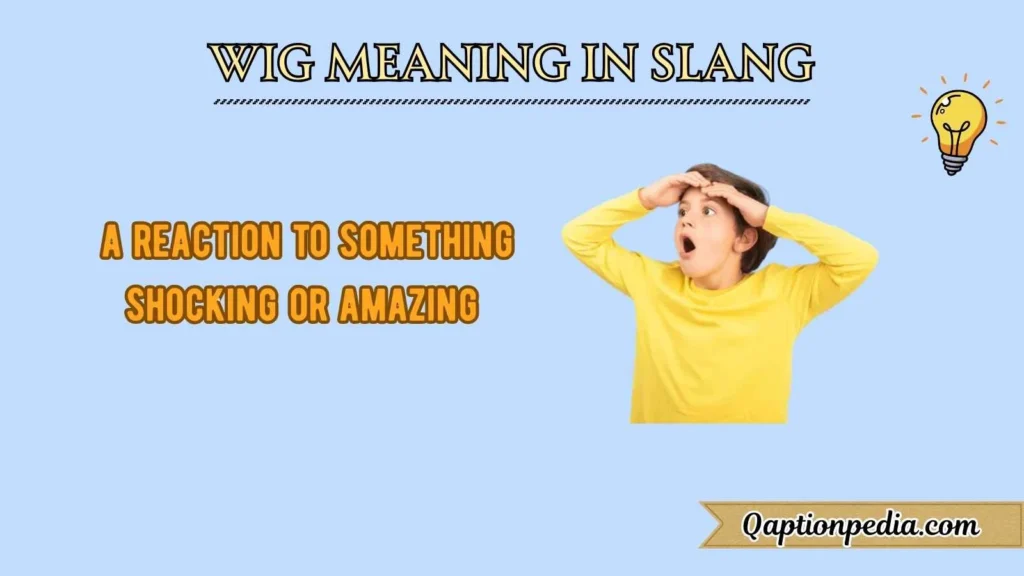
In modern slang, wig typically means a reaction to something shocking, amazing, or mind-blowing. The phrase originated from the idea of someone’s wig “flying off” in astonishment, symbolizing that they are so surprised their hairpiece (wig) can’t stay in place. It’s often used online in short, emphatic reactions like:
- “That outfit? Wig!”
- “Did you see that plot twist? Wig flew!”
It’s a playful, exaggerated way to express being impressed or shocked without using traditional words like “wow” or “amazing.”
Background & History
The slang usage of wig is closely tied to Black and LGBTQ+ communities, particularly within drag culture. In drag performances, wigs are a staple, and the phrase “wig snatched” emerged to describe a reaction to something extraordinary. Over time, this expression spread through social media, memes, and viral videos, eventually entering mainstream slang. Its usage highlights creativity in language and the influence of subcultures in shaping everyday expressions.
Usage in Various Contexts
Wig can appear in casual conversation, memes, reaction videos, and online comments. Common contexts include:
- Fashion & Beauty: “That makeup look? Wig!”
- Entertainment: “The finale? My wig just flew!”
- Memes: Often accompanied by GIFs showing exaggerated reactions.
It’s a versatile term used for humor, admiration, and sometimes playful exaggeration.
Common Misconceptions & Clarifications
Some people assume wig refers to literal hairpieces when heard out of context. Others mistakenly think it’s offensive or crude. In reality, the slang is lighthearted and celebratory, not inherently negative. Misunderstanding usually arises from unfamiliarity with internet and LGBTQ+ culture.
Similar Terms & Alternatives
Other expressions convey similar reactions:
- “Shook” – being shocked or surprised.
- “Mind blown” – astonished or impressed.
- “Snatched” – looking perfect or flawless.
- “Fierce” – powerful admiration, often for appearance or talent.
Each term has its own nuance, but wig emphasizes extreme surprise or excitement.
How to Respond to This Term
When someone uses wig in conversation, common responses include:
- Agreeing: “I know, right? My wig flew too!”
- Laughing: “Same, I can’t even!”
- Adding to the excitement: “Yes! That was impulsive !”
It’s rarely used in serious contexts, so a playful tone is usually appropriate.
Regional or Cultural Differences
Wig originated in U.S. subcultures, but it’s now global due to social media. Some regions may not recognize it yet, while others adapt it slightly differently. For example:
- UK/Canada: Often paired with “snatched” in beauty or fashion contexts.
- Asia: Used mostly online in reaction to trends or pop culture.
Cultural awareness helps avoid confusion when using slang internationally.
Comparison with Similar Terms
Unlike “shook” or “mind blown,” wig often emphasizes visual or dramatic astonishment rather than emotional surprise alone. While “shook” focuses on being internally affected, wig conveys a playful, almost theatrical reaction.
Usage in Online Communities & Dating Apps
On platforms like TikTok, Twitter, and Instagram, wig is used as a reaction to impressive posts, viral moments, or hot takes. On dating apps, people may use it to compliment someone’s appearance or express excitement about a profile or message. Example:
- “Your style? Wig!”
- “You’re funny! Wig snatched!”
Its informal tone makes it suitable for casual online interactions but not formal conversations.
Hidden or Offensive Meanings
Generally, wig in slang is safe and non-offensive. However, context matters—using it sarcastically in sensitive conversations could be misinterpreted. Its origins in drag culture remind users to respect the communities that popularized it.
Suitability for Professional Communication
Wig is considered casual, playful slang. Using it in professional emails, workplace chats, or formal discussions is not recommended. It’s best reserved for social media, texting, or conversations with friends familiar with slang culture.
FAQs:
What does wig mean in slang?
It means being shocked, amazed, or impressed, often playfully.
Where did this slang originate?
It comes from drag culture, popularized by LGBTQ+ communities.
Can wig be offensive?
Not usually, but context and tone matter.
How do I use wig in a sentence?
Example: “That performance? My wig just flew!”
Is wig the same as shook?
Similar, but wig emphasizes dramatic or visual surprise.
Can I use wig professionally?
No, it’s best for casual and online conversations.
Conclusion:
The slang term wig has become a fun, expressive way to convey amazement or shock.
Rooted in drag and LGBTQ+ culture, it has grown into mainstream social media vocabulary, giving people a playful tool to react dramatically to impressive or surprising moments.
While it’s casual and best suited for online conversations, memes, and chats with friends, understanding its meaning ensures you stay culturally savvy and can join viral trends confidently.
Whether admiring fashion, entertainment, or jaw-dropping content, wig remains a unique and entertaining part of modern slang.