Flex Meaning is more than just a slang term you hear online. Understanding the true Flex Meaning helps you know how people use it in conversations, social media, and daily life. Whether it’s about showing off or confidence, the concept is everywhere.
When exploring Flex Meaning, it’s important to see the difference between harmless fun and overdoing it. Knowing the Flex Meaning can make your social interactions smoother and help you stay trendy. By the end, you’ll fully grasp what Flex Meaning really stands for.
Definition & Meaning
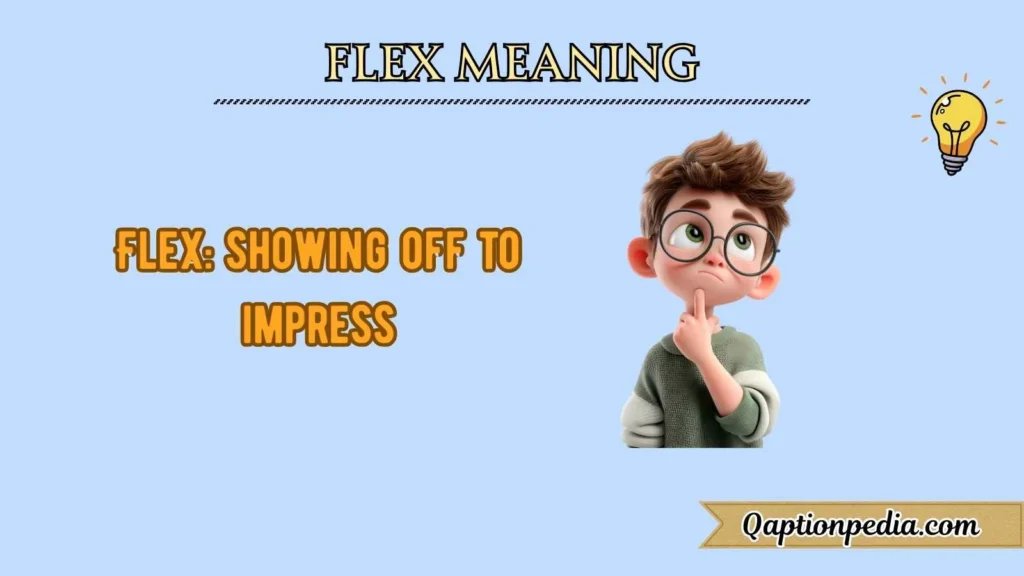
At its core, the flex meaning is about showing off something in a confident or boastful manner. It’s a way for someone to highlight an achievement, possession, or skill to impress others. The term can also imply subtle bragging or even playful teasing, depending on tone and context.
In social media culture, flexing often involves posting pictures, stories, or updates that highlight one’s lifestyle, accomplishments, or material possessions. For example, sharing a photo of a new car, expensive watch, or gym transformation can be considered a “flex.”
Interestingly, “flex” doesn’t always carry negative connotations. While some may see it as bragging, others view it as motivation, inspiration, or simply self-expression. The meaning can shift based on context, tone, and audience.
Background & History
The origin of the term “flex” can be traced back to African American Vernacular English (AAVE), where it originally meant to show off strength or skill. Over time, it expanded beyond physical attributes to include wealth, fashion, achievements, and lifestyle.
Its use became mainstream in the 2000s, particularly through hip-hop culture, rap lyrics, and urban social media content. Artists often referenced “flexing” as a form of pride or self-confidence. By the 2010s, the word had evolved to encompass a broader spectrum of showy behavior online, making it common in memes, tweets, Instagram captions, and TikTok videos.
Today, “flex” is universally recognized among younger generations and digital communities, often symbolizing both literal and figurative displays of status or confidence.
Usage in Various Contexts
The flex meaning changes slightly depending on where it’s used:
- Casual Conversation: Friends may joke about each other’s accomplishments with phrases like, “Nice flex!”
- Social Media: Posting luxury items, travel photos, or achievements can be considered a flex.
- Workplace: Subtle professional flexes might involve sharing certifications, project successes, or promotions.
- Fitness & Health: Showing off workout progress, muscle gains, or personal milestones.
The tone can be playful, serious, or ironic. Understanding the context ensures you don’t misinterpret someone’s intent when they “flex.”
Common Misconceptions & Clarifications
Many people think flexing is always negative or arrogant. In reality:
- A flex can be harmless: showing pride in personal accomplishments.
- Playful flexing is common among friends.
- Not every flex is about money or possessions; it can highlight talents, skills, or creativity.
Misunderstanding the term can lead to social awkwardness, so it’s important to read the context carefully.
Similar Terms & Alternatives
Other words often used similarly include:
- Show off – standard English term.
- Brag – slightly negative connotation.
- Humble brag – showing off while pretending to be modest.
- Peacocking – mostly used in dating contexts.
While these alternatives overlap, flex remains more casual, trendy, and versatile in modern communication.
How to Respond to This Term
Responses depend on context:
- Playful flex: Reply with humor or light teasing.
- Impressive flex: Compliment or acknowledge politely.
- Over-the-top flex: React neutrally or ignore if inappropriate.
Understanding subtlety ensures a proper reaction without awkwardness.
Regional or Cultural Differences
- In the US and UK, flex is widely recognized in social media culture.
- In Asia, it’s mostly used by younger generations online and may require explanation among older audiences.
- In professional settings globally, the term may be interpreted as informal or slangy.
Comparison with Similar Terms
While terms like “show off” or “brag” are direct, flex is more nuanced:
- Often lighter or playful.
- Can be ironic or humorous.
- Used widely in memes, captions, and pop culture references.
Usage in Online Communities & Dating Apps
In online spaces, flexing is common:
- Instagram/TikTok: Lifestyle and achievement posts.
- Gaming communities: Highlighting skills, victories, or rare items.
- Dating apps: Users may “flex” their lifestyle subtly in profiles or bios to attract attention.
Flexing online can influence perceptions, engagement, and social status.
Hidden or Offensive Meanings
Some flexes can be considered showy or insensitive, especially if they highlight wealth or privilege in an inappropriate context. Understanding cultural norms is essential to avoid offense.
Suitability for Professional Communication
While casual flexing is common online, using “flex” in professional communication should be done carefully:
- Avoid bragging about salary or material possessions.
- Focus on achievements, certifications, or project success in a humble, factual manner.
- Tone matters; “flexing” professionally can be motivational if done subtly.
FAQs:
What does “flex” mean in slang?
It means to show off achievements, possessions, or skills to impress others.
Is flexing always negative?
No, it can be playful, motivational, or harmless self-expression.
Can I use flex in professional settings?
Yes, but subtly—focus on achievements rather than possessions.
What is a “humble flex”?
Showing off something impressive while pretending to be modest.
Where did the term “flex” originate?
It comes from African American Vernacular English and hip-hop culture.
How do I respond to someone flexing?
Depending on context, compliment, joke, or stay neutral.
Conclusion:
Understanding the flex meaning is essential in today’s social media-driven culture. It’s not just about showing off; it’s a reflection of confidence, pride, and social expression.
By grasping its nuances, history, and proper usage, you can communicate more effectively, interpret online behavior accurately, and even add playful flair to your own interactions.
Whether online, in casual chats, or in professional contexts, knowing how to flex—or respond to one—is a valuable social skill.