Fanart Meaning is more than just drawings or sketches; it’s a way for fans to express their love for movies, games, or characters. Understanding fanart meaning helps you see how creativity meets fandom in a unique and personal way. Many people share their fan creations online, making it a vibrant community.
The fanart meaning also reflects the passion behind each artwork, showing how fans connect with stories on a deeper level. From digital art to traditional sketches, knowing fanart meaning gives insight into why this trend is so popular. Exploring it can inspire you to create or appreciate fan-made masterpieces.
Definition & Meaning
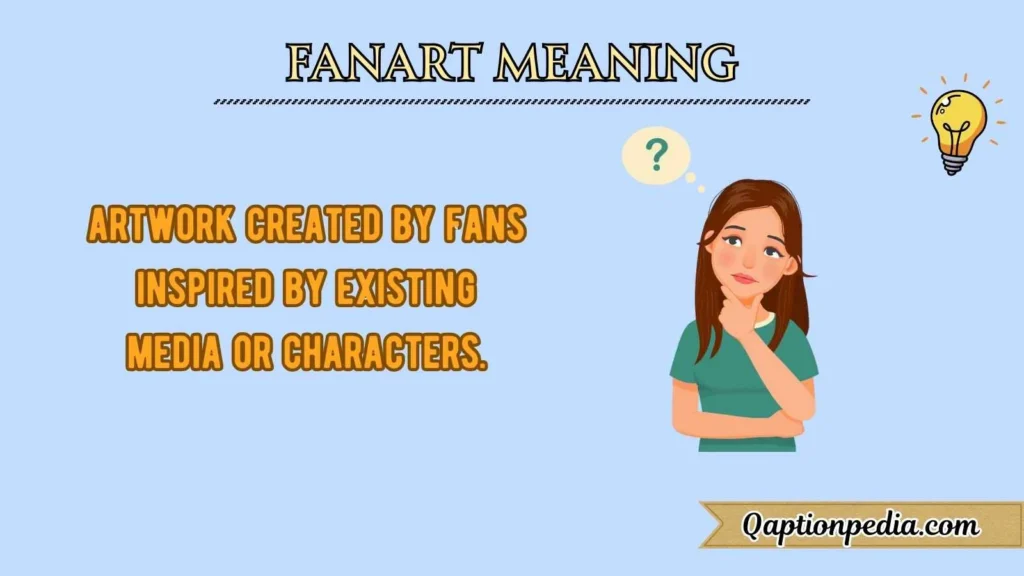
Fanart is essentially artwork made by fans that draws inspiration from pre-existing media or characters. Unlike official art, fanart is created independently and often shared for free online. The meaning extends beyond simple admiration—it represents personal creativity, reinterpretation, and engagement with stories or characters that fans love. The term can cover a wide range of artistic expressions, including drawings, digital art, paintings, sculptures, and even edits of existing visuals. In short, fanart meaning encompasses both the homage and the imaginative spin fans give to media they are passionate about.
Background & History
Fanart has a long history, tracing back to early fan clubs and print fanzines in the 20th century. Before digital platforms, fans expressed their love for books, comics, and movies through hand-drawn art or amateur comics distributed among fan communities. With the rise of the internet, fanart meaning expanded dramatically as artists could now share their work globally. Online platforms like DeviantArt, Tumblr, and Instagram became hubs for fan-created content. Today, fanart is recognized as both a hobby and a form of social interaction, allowing artists to connect with like-minded fans worldwide. This evolution demonstrates how fanart moved from niche hobbyist circles into mainstream digital culture.
Usage in Various Contexts
Fanart appears in diverse settings, including social media, online forums, conventions, and even merchandise. Fans may create it as personal enjoyment, as a gift for fellow enthusiasts, or to gain recognition in digital communities. In educational or professional settings, fanart may be studied to understand cultural impact or fan engagement. Additionally, fanart is often used in online dating apps, social posts, and profile avatars, reflecting shared interests and personalities. Understanding the fanart meaning in these contexts is crucial for recognizing its function as both art and social communication.
Common Misconceptions & Clarifications
A frequent misconception is that fanart is illegal or purely derivative. While it’s true that fanart uses pre-existing characters or media, most creators share it non-commercially, which usually avoids copyright infringement. Another myth is that fanart is low-quality or amateurish. In reality, fanart spans all skill levels, from sketches by beginners to professional-grade digital illustrations. Clarifying these points helps fans and outsiders alike appreciate the diversity and legitimacy of fan-created art.
Similar Terms & Alternatives
Terms related to fanart include fanfiction, fan comics, and cosplay art. While fanfiction involves written narratives and cosplay revolves around costume portrayal, fanart focuses on visual reinterpretation. Understanding these distinctions allows for better use of the term and provides context for the creative ecosystem surrounding popular media.
How to Respond to This Term
When someone mentions fanart, a supportive response could acknowledge creativity and enthusiasm. For example:
- “Wow, this fanart is amazing! I love how you interpreted the character.”
- “Your fanart really captures the essence of the original story.”
This approach encourages artistic expression and appreciation without criticism of the source material.
Regional or Cultural Differences
Fanart meaning can vary culturally. In Japan, fanart (or doujinshi art) is often associated with self-published manga and anime interpretations. In Western countries, fanart is widespread online, especially in fandom communities of movies, TV shows, and video games. These regional variations reflect how fanart adapts to cultural norms and artistic traditions while maintaining its core purpose: celebrating media through art.
Comparison with Similar Terms
While fanart is purely visual, fanfiction is written, cosplay is performative, and merch-inspired art may involve designing fan-made merchandise. Comparing these terms highlights how fan communities diversify creative expression while staying centered on shared fandoms.
Usage in Online Communities & Dating Apps
Fanart is popular in online platforms like Instagram, DeviantArt, Reddit, and TikTok. Fans use it to showcase skills, join competitions, or simply express love for media. In dating apps, fanart can appear in profiles to signal interests, spark conversations, or share personality traits. Recognizing fanart meaning in these digital spaces helps users engage respectfully and meaningfully with fandom culture.
Hidden or Offensive Meanings
While most fanart is positive and celebratory, some works may contain explicit content, mature themes, or controversial interpretations. It’s important to approach such fanart with awareness and respect for content warnings. This ensures safe interaction within online communities while acknowledging creative freedom.
Suitability for Professional Communication
Fanart is generally informal and best suited for casual or creative environments. While discussing fanart professionally (e.g., in presentations, workshops, or publications), always clarify context and respect copyright considerations. In professional communication, avoid assuming familiarity with specific fandoms unless relevant to the audience.
FAQs:
What is fanart?
Fanart is artwork created by fans based on existing media, showing admiration or personal interpretation.
Is fanart illegal?
Typically not, if shared non-commercially, though copyright rules vary by country.
Can anyone create fanart?
Yes, fanart is open to artists of all skill levels.
How is fanart different from fanfiction?
Fanart is visual; fanfiction is written storytelling inspired by existing media.
Where can I share fanart online?
Platforms like Instagram, DeviantArt, TikTok, and Reddit are popular fanart hubs.
Why do people make fanart?
Fans make fanart to express creativity, admiration, or connect with fandom communities.
Conclusion:
Understanding fanart meaning reveals more than just drawings or sketches—it highlights the intersection of creativity, fandom, and social engagement.
Fanart allows fans to reinterpret, celebrate, and personalize the media they love, making it a dynamic element of modern digital culture.
From historical roots in fanzines to global online communities today, fanart continues to grow as both artistic expression and social connection.
Whether casual or professional, appreciating fanart enriches our understanding of creativity in fandoms and the shared joy it brings to artists and audiences alike.