Cringe Meaning is something we all experience but often struggle to define. Understanding the true cringe meaning can help you identify awkward, embarrassing, or uncomfortable situations in daily life. In today’s world, knowing what makes something cringe is more relevant than ever.
When we talk about cringe meaning, it goes beyond just feeling embarrassed—it reflects social awareness and personal boundaries. By exploring the cringe meaning in different contexts, you can better navigate conversations, trends, and online content. Let’s dive deeper into what makes moments truly cringe-worthy.
Definition & Meaning
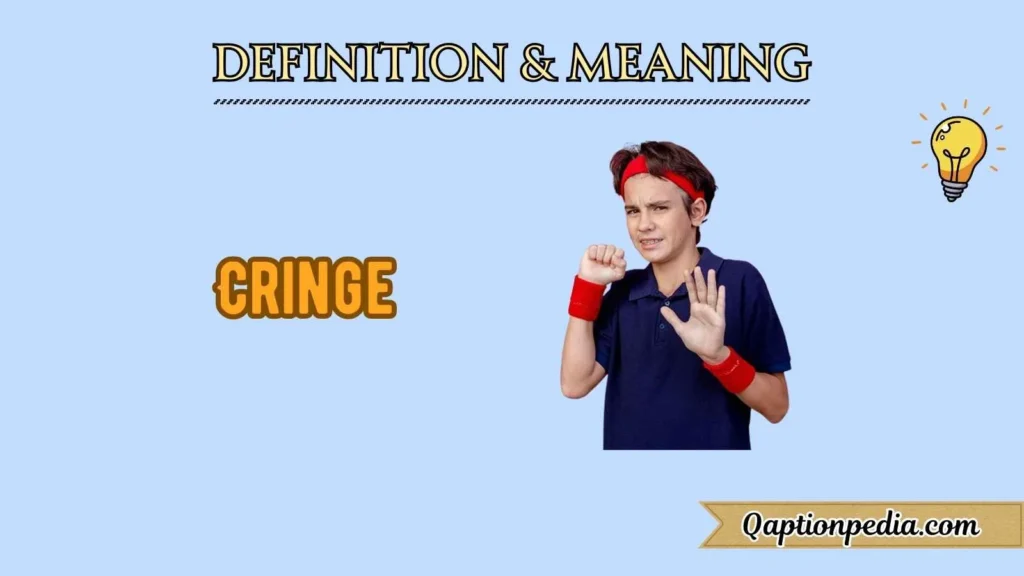
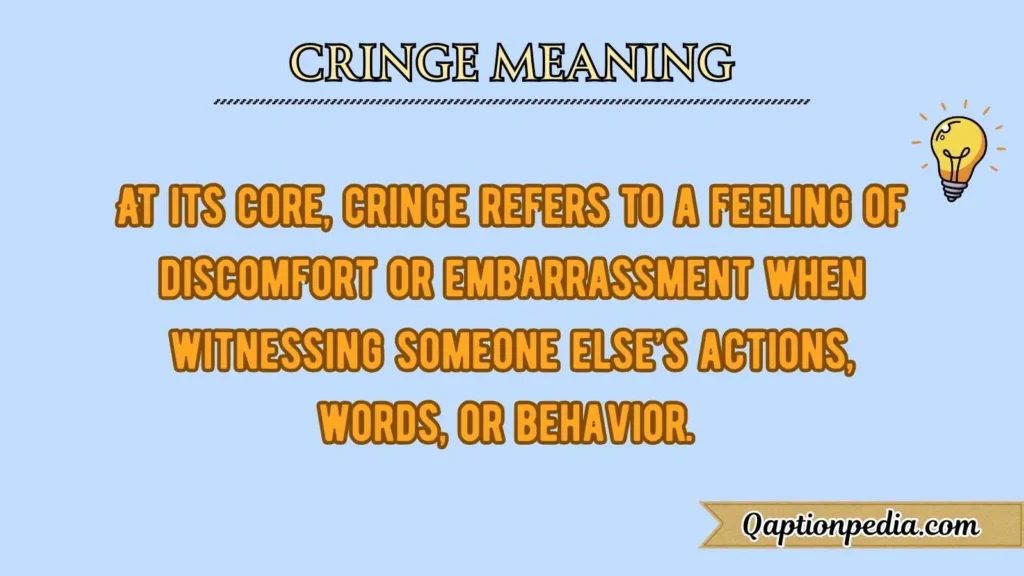
At its core, cringe refers to a feeling of discomfort or embarrassment when witnessing someone else’s actions, words, or behavior. This sensation is often involuntary and may arise even if the observer is not directly involved. In simple terms, when something is “cringe-worthy,” it’s awkward, embarrassing, or socially uncomfortable. It’s important to note that cringe is subjective—what feels cringe to one person might feel funny, cute, or normal to another.
Background & History
The word “cringe” originates from Old English cringan, meaning “to bend, yield, or fall.” Historically, it described physical recoiling in fear or submission. Over time, its meaning evolved to encompass emotional reactions, particularly embarrassment or discomfort. With the rise of internet culture in the early 2000s, “cringe” transitioned from literature and speech into digital spaces, reflecting reactions to memes, videos, and online personalities. Today, it’s a common term across social media platforms, often used humorously or critically.
Usage in Various Contexts
Cringe is widely used in multiple contexts:
- Social Media: TikTok, Instagram, and Twitter users frequently label awkward videos or posts as cringe.
- Daily Conversations: Friends might say “That’s so cringe!” to comment on embarrassing behavior.
- Entertainment: Movies, shows, or celebrity actions can trigger cringe reactions from audiences.
- Education & Work: Even presentations or speeches can be termed cringe if they appear awkward or unpolished.
Its versatility makes it a staple in both casual chatter and online commentary.
Common Misconceptions & Clarifications
Many people confuse cringe with judgment or dislike. However, cringe primarily reflects personal discomfort rather than moral or ethical judgment. Another misconception is that cringe always implies negativity. In reality, it can be humorous, endearing, or even intentionally awkward to entertain others.
Similar Terms & Alternatives
Some terms similar to cringe include:
- Awkward
- Embarrassing
- Cringeworthy
- Cheesy
- Uncomfortable
Alternatives can also include phrases like “facepalm moment” or “so awkward.” These synonyms often help clarify nuances depending on the context.
How to Respond to This Term
When someone calls something cringe:
- Stay Lighthearted: Laugh or acknowledge it humorously.
- Avoid Overreacting: Not everything labeled cringe requires offense.
- Reflect on Context: Sometimes, behavior is unintentionally awkward, not wrong.
- Respond Politely: On professional or sensitive platforms, use terms like “unusual” or “unexpected” instead.
Regional or Cultural Differences
Perceptions of cringe vary across cultures. For instance, humor considered funny in one country may be viewed as awkward or embarrassing elsewhere. Online, younger audiences often use cringe more casually, while older generations might not relate to the term. Understanding these differences is crucial in cross-cultural communication and online interactions.
Comparison with Similar Terms
While awkward and cringe overlap, the distinction is subtle:
- Awkward: Refers to the situation itself.
- Cringe: Refers to the emotional reaction caused by the situation.
For example, a failed joke can be awkward, but it becomes cringe when it triggers strong secondhand embarrassment.
Usage in Online Communities & Dating Apps
In online spaces, cringe is frequently used to describe:
- Over-the-top dating profiles or messages
- Embarrassing memes or posts
- Unpopular opinions expressed awkwardly
Communities like Reddit, TikTok, and Discord often categorize content as cringe humor, creating niche entertainment and discussion spaces.
Hidden or Offensive Meanings
Sometimes, labeling something as cringe can unintentionally shame or bully someone. While often playful, it can carry connotations of judgment or mockery. Being mindful of tone and context is essential to avoid offending others.
Suitability for Professional Communication
Using the term cringe in professional settings is generally discouraged. It can come off as judgmental or unprofessional. Instead, describe situations objectively, focusing on improvement or feedback rather than labeling them as cringe.
FAQs:
What does cringe exactly mean?
It’s a feeling of embarrassment or discomfort caused by someone else’s actions or words.
Is cringe always negative?
Not always; it can be funny, awkward, or intentionally entertaining.
Where is cringe commonly used?
Social media, memes, online communities, casual conversations, and entertainment.
Can adults use cringe in conversation?
Yes, but it’s more common among younger audiences; context matters.
Is cringe considered offensive?
It can be if used to shame someone, but often it’s lighthearted.
How do I avoid being cringe?
Be authentic, observe social cues, and avoid forcing humor or trends.
Conclusion:
Understanding the cringe meaning helps navigate social interactions, online trends, and cultural differences.
While it often describes awkward or embarrassing situations, the term is versatile, humorous, and deeply embedded in modern communication.
By knowing its history, usage, and context, you can respond appropriately without offending or misunderstanding others.
Embracing the idea that everyone experiences cringe moments also adds relatability and humor to daily interactions.